| The Anthropocene Laboratory Newsletter | | | | |
|
|
| Welcome to this first newsletter of 2025!
If you want to learn more about what we did during 2024, please have a look at our Annual Report. During 2025, we will continue to pursue our work on Empirics of Hope and the Intertwined Biosphere. Both are making good progress and colleagues are working hard to submit first papers. We have published a first article on academics and activism, which feels timely, not least given the turbulence and silencing of our academic friends in the USA. We have completed our first collaboration with artist duo Goldin+Sennerby, resulting in an appreciated exhibition at Accelerator, and our institutional partnerships are broadening and deepening. This year will include exciting developments for us as an organisation, and I also hope we can contribute to important conversations about the role and freedom of science. Read more about our work below. |
|
|
| Empirics of Hope | 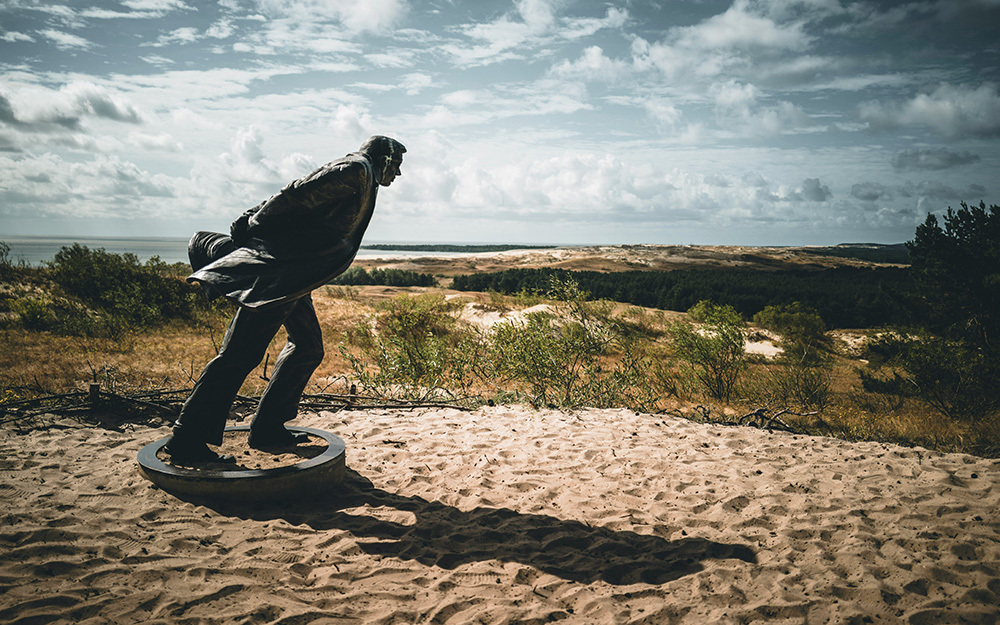 | Photo: Unsplash/Hans Joachim Kaiser |
|
|
‘Hell is other people’ — this is a famous saying by the philosopher Jean-Paul Sartre. Amidst turbulence in so many aspects of society recently, it is tempting to echo Sartre. But here at the Anthropocene Laboratory, we want to add this to the famous saying: ‘(but also) Hope is other people’. This is not just a statement. This is what we observe in the data that the Hope team is currently analysing with our collaborators. A substantial progress has been made on several research outputs, all focusing on showing signs of hope towards a more just and sustainable future. We will advance the progress in a workshop later in April, where we will host 20+ scholars and experts from around the world. The fruit of this process will hopefully be seen sometime next year, and until then we will continue to build on the works. In April, we will also be visited by Mariaelena Huambachano from Syracuse University, with whom we will exchange thoughts and experiences about indigenous scholarship in the context of Anthropocene. Stay tuned. | |
|
|
| | Intertwined Biosphere | 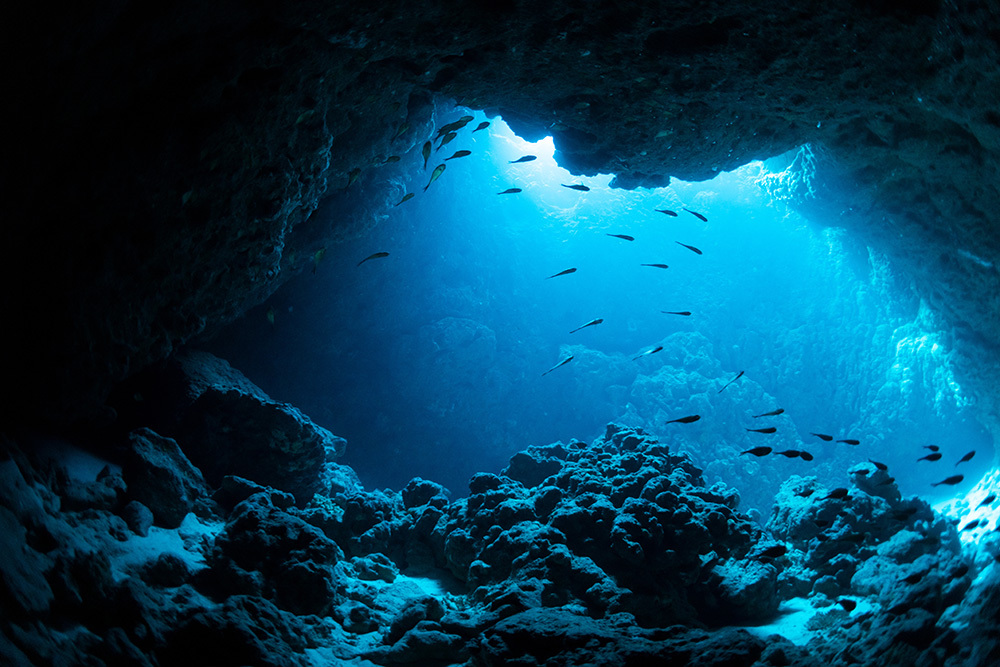 | Photo: Adobe Stock/divedog | Framing humans as separate from nature, without considering their embeddedness within the biosphere, is a shortcoming that is particularly acute for sustainability research. With our colleagues, we explore opportunities to study how phenomena in the biosphere are embedded. Through the topic, we have grappled with different questions: What are strands of research that have already been engaging with embeddedness? How can embeddedness be studied from a systems thinking perspective? And how can embeddedness be incorporated in all aspects of sustainability research? The first result of our explorations, a perspective piece for publication in a scientific journal, has just been submitted. We’re looking forward to sharing it once published.
In the meantime, we are continuing our investigations: diving deep into the literature and considering, for example, the embeddedness of the human body and its constituent chemical elements in the biosphere. We look forward to welcoming visiting researchers in the coming months, and to collaborate with them on this analysis. Feel free to reach out if you have any questions or want to be engaged! | |
|
|
| | Exhibition 'Flare-Up' by Goldin+Senneby | 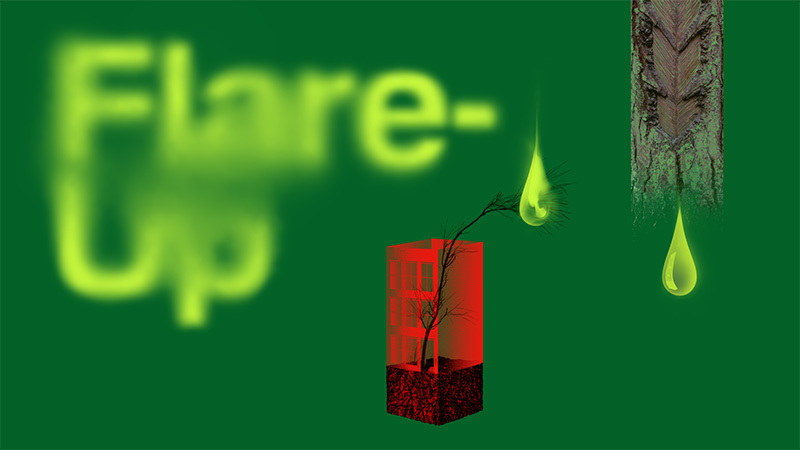 | Illustration: Johan Hjerpe för Goldin+Senneby | We have enjoyed our experimental collaboration with artist duo Goldin+Sennerby during the past year, including introductions to our respective work places. We have had the pleasure of hosting them in the lab, where they have actively contributed with great ideas and surprising perspectives. We have been invited to their studio and have learnt more about their ways of thinking and their practice. It has been a stimulating, confusing and rewarding relationship, and we are grateful for the support from Accelerator to facilitate this interaction.
Their new comprehensive exhibition Flare-up at Accelerator opened at March 8 and explored topics related to disease, auto-immunity, and genetic modification. It combined beautiful pieces of art, a playful approach, and serious and profound topics, and received very positive reviews. The exhibition included a piece that was developed through our joint dialogue about acts of activism, and the converging histories of art and science, titled After Landscape. The exhibition is on until June 15 – don’t miss it! | |
|
|
| | Scientific Committee Council Meeting | 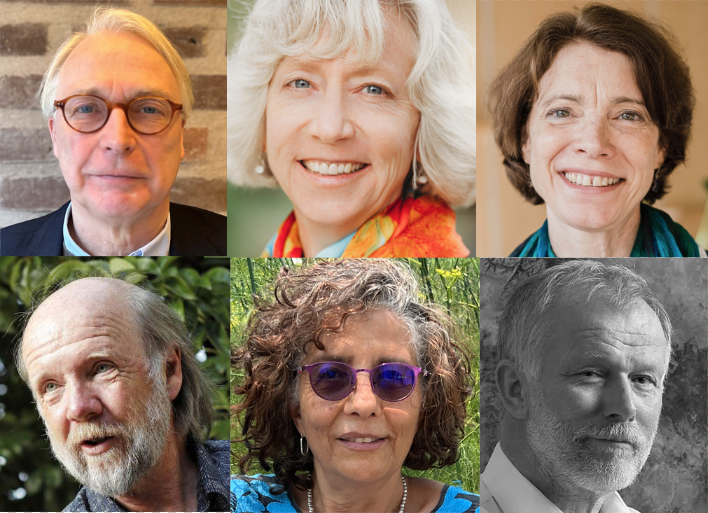 | | We have gathered our scientific committee for a conversation about progress to date and next steps. The committee was excited about the annual report and work conducted on Empirics of Hope and the Intertwined biosphere. It was perceived that the Anthropocene Laboratory has found a productive “niche” which is proven to be beneficial for our colleagues and the topics we have set out to address. We are ready to take next steps, to expand to new issues, and recruit new colleagues. | |
|
|
| | An active academia for peace and sustainability | 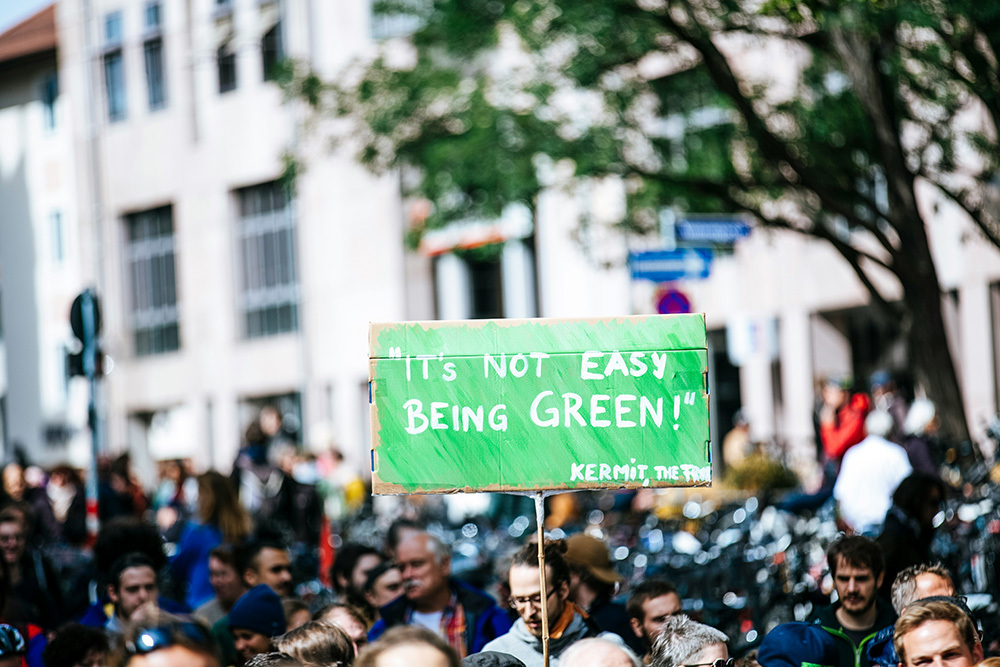 | Photos: Unsplash/Markus Spiske | What role can academics play in times of climate change, biodiversity loss, inequity, and war? A new paper co-authored by members of the Anthropocene Laboratory, published in the inaugural issue of Peace and Sustainability, explores how scholars can support transformation — not only through research, but also through activism. The article argues that academics have both the capacity and responsibility to engage in creative forms of action in society — whether in boardrooms, classrooms, or the streets. Drawing on historical and contemporary examples of social movements, civil disobedience, and creative protest, the authors challenge the idea that activism undermines scientific credibility. Instead, they suggest that meaningful engagement can strengthen the relevance and impact of academic work in the Anthropocene.
Read it here: https://doi.org/10.1016/j.nerpsj.2025.100004 | |
|
|
| | Anthropocene Campus 2026 in Stockholm | 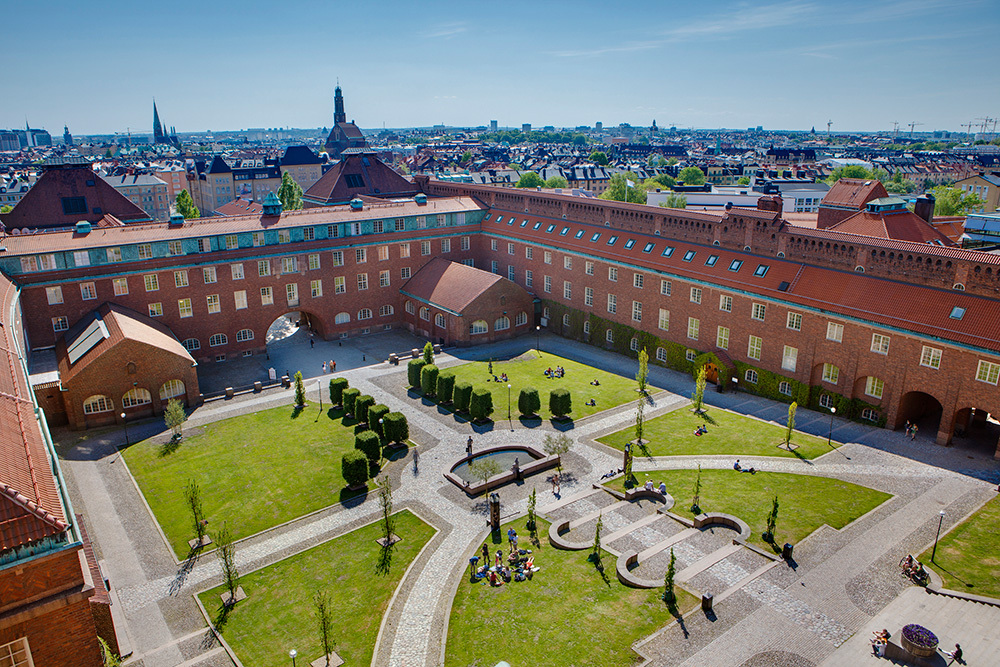 | | An Anthropocene Campus is an exploration between science and art for sustainabiltiy. It was first established in 2014, and took place in Berlin, through a collaboration between Haus der Kulturen der Welt (HKW), The Max Planck Institute, and the Anthropocene Commons network. Since then, campuses have taken place in New Orleans (2019), Venice (2021), Porto Alegre (2022), and Rio de Janeiro (2024). During the last few months, we have engaged in planning a Stockholm-based Anthropocene Campus, scheduled for August 2026, in collaboration with our colleagues at KTH – The Anthropocene History Centre of Excellence and SU – the Stockholm Resilience Centre. More information will follow. | | Recruitment | 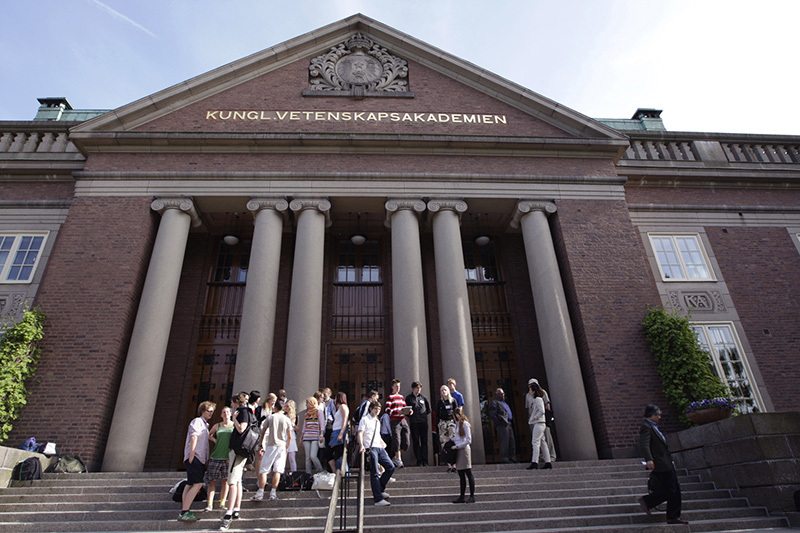 | Photo: Helena Ledmyr, ©The Royal Swedish Academy of Sciences. | The Laboratory will open up a call for new positions during the spring of 2025. Please keep an eye on our website if there may be positions suitable for you. We look forward to expanding our group and engage with new colleagues and issues. | |
|
|
| About The Anthropocene Laboratory |  | | Vision
A revitalised anthropocene biosphere.
Mission
The mission of the Anthropocene Laboratory is to advance understandings of the intertwined biosphere, and to leverage this knowledge to identify and enable novel pathways towards a sustainable and just future. Through respectful dialogue and interdisciplinary collaboration, we explore creative approaches that integrate perspectives from the natural and social sciences, humanities, arts, and other fields of knowledge. Our aim is to catalyse positive change and inspire a future where our relationships with the living planet are revitalised.
Funders
The Anthropocene Laboratory is generously funded by two Swedish foundations, the Marianne and Marcus Wallenberg Foundation and the Marcus and Amalia Wallenberg Foundation.
Partners
We are proud to partner with Goldin+Senneby, Accelerator, The Centre of Excellence for Anthropocene History at the KTH Royal Institute of Technology in Stockholm, The Max Planck Institute of Geoanthropology, The Nobel Prize Museum, The Beijer Institute of Ecological Economics, the Global Economic Dynamics and the Biosphere Academy Program (GEDB), the Stockholm Resilience Centre (SRC) and visual artist Tone Bjordam.
| | |
|
|
|
